Plan access in shared spaces
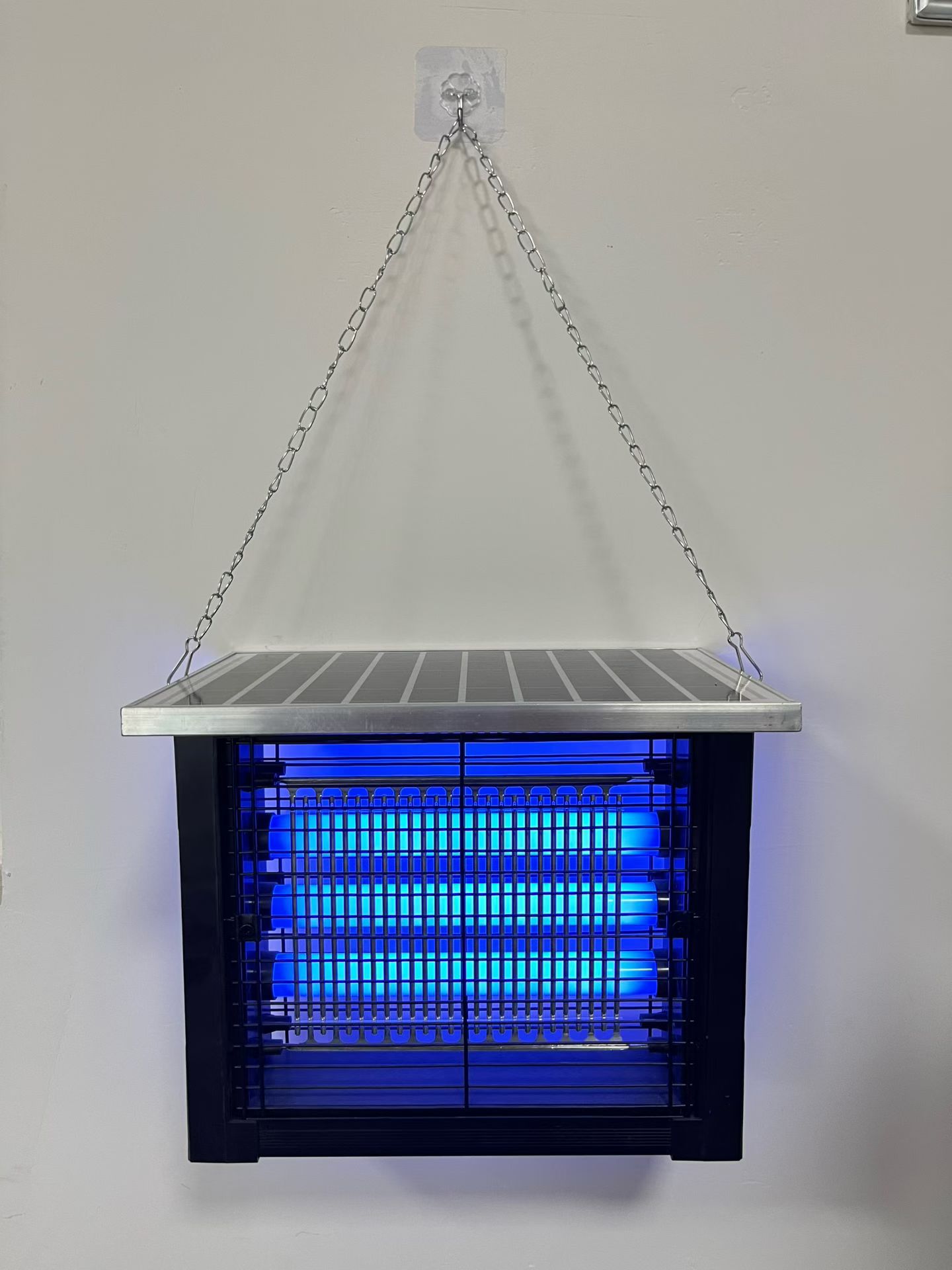
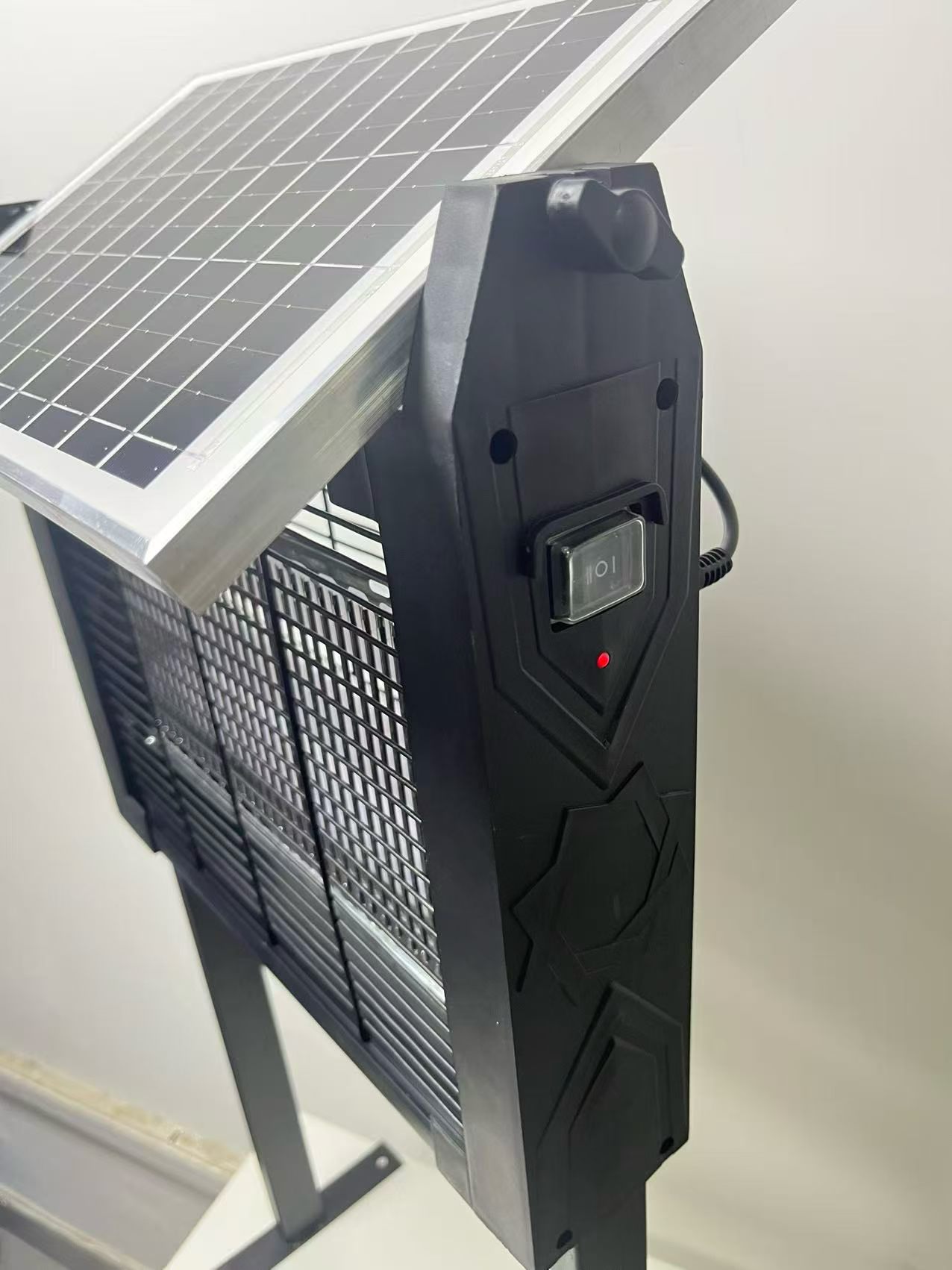
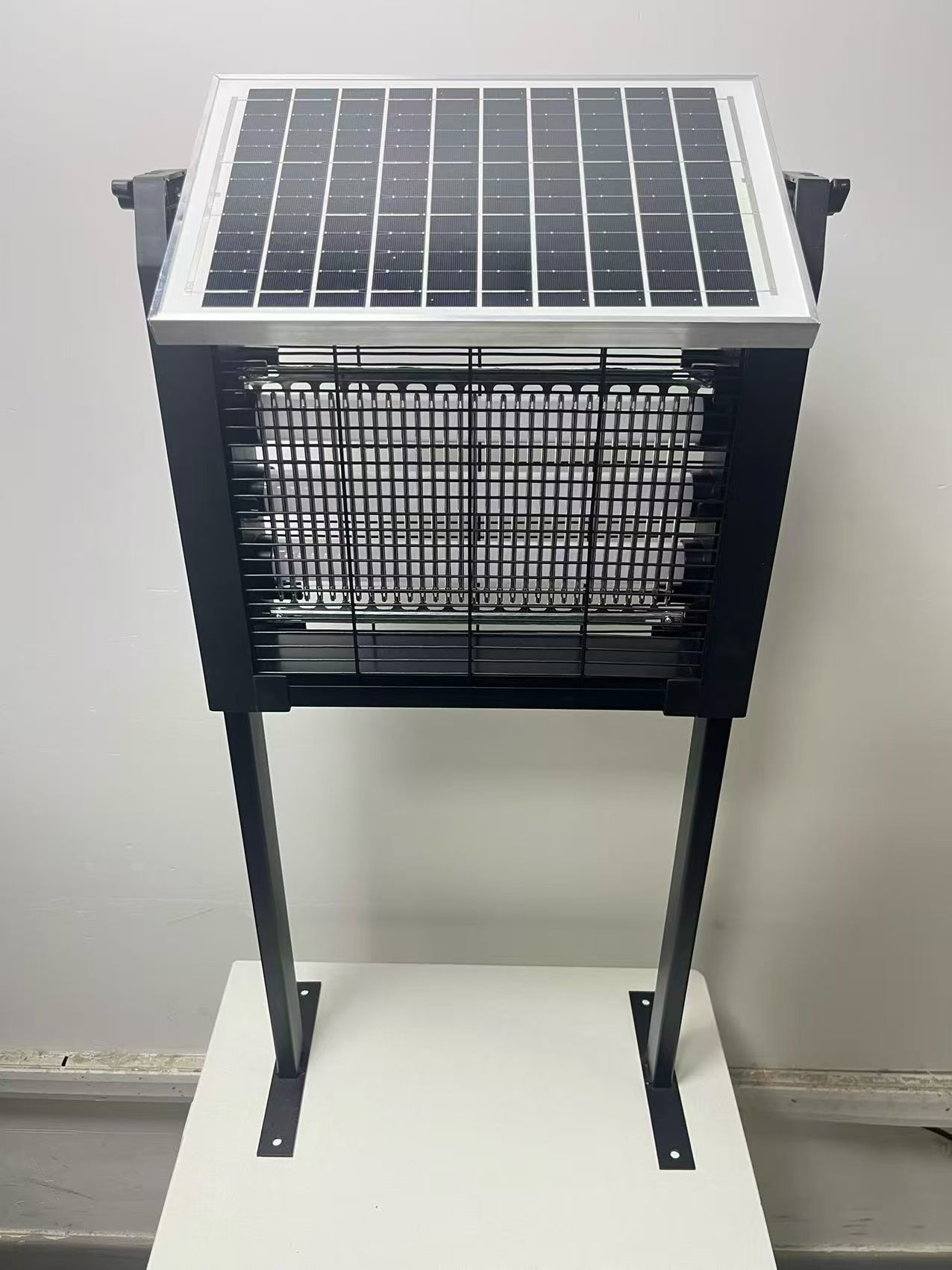
Shared spaces need a placement decision that accounts for users, cleaning staff, cables, and mounting stability. Review the manufacturer instructions before installation. A protective housing does not remove the need to control direct access and keep the unit secure.
Compare your options
| Consideration | What to check | Buying decision |
|---|---|---|
| Public walkway | Check protrusions, cables, and contact points. | Keep the walking route clear. |
| Guest terrace | Review mounting stability and service access. | Give staff a defined cleaning procedure. |
| Food-service area | Review the installation requirements for the specific unit. | Keep placement coordinated with the facility team. |
What safety-minded buyers review
Review protective design together with the actual installation and maintenance routine.
- Protective outer structure around active parts
- Placement away from direct hand contact in public areas
- Low-noise models for guest-facing spaces
- Clear installation fit for wall, pole, or tabletop use
Before you decide
Assign a person to report damaged covers, loose brackets, or exposed connections. Remove a damaged unit from service pending review. For multiple locations, label each unit with its model and location so issues can be traced without confusion.
- Safety is a major concern in family and hospitality environments
- Protective housing and placement reduce user concerns
- Quiet operation matters in comfort-driven spaces
- Project buyers often prefer lower-maintenance, lower-risk layouts
Planning an order? Review samples and MOQ or send the model and application to the factory.